
How Exercise Supports Better Circulation
Circulation depends on more than just the heart. Muscles, movement, and daily activity all play a role in how efficiently blood travels through the body. When movement is limited, veins have to work harder to move blood upward, especially from the legs. Regular exercise supports circulation by activating muscles and reducing pressure within the veins.
Below are the key ways exercise helps improve circulation and support long-term vein health.
1. Muscle movement helps push blood back toward the heart
Veins rely heavily on muscle contractions to assist blood flow. When muscles contract during movement, they help push blood upward against gravity. This is especially important in the legs, where circulation works the hardest. Regular muscle activity reduces strain on vein walls and valves.
2. Exercise reduces prolonged inactivity
Physical activity naturally breaks up long periods of sitting or standing. Even moderate exercise encourages regular movement throughout the day. Reducing inactivity helps prevent blood from pooling in the lower extremities. This lowers pressure within the veins and supports healthier circulation.
3. Improved circulation helps reduce swelling
Swelling in the legs and ankles often occurs when blood and fluid build up due to poor circulation. Exercise helps move fluid more efficiently through the body. As circulation improves, swelling often becomes less noticeable. Consistent movement supports better fluid balance over time.
4. Exercise supports healthy vein valve function
Vein valves play a key role in preventing blood from flowing backward. Regular movement helps keep these valves functioning properly. When circulation improves, valves experience less constant pressure. This support helps maintain vein function and reduces long-term strain.
5. Physical activity helps manage body weight
Excess body weight increases pressure on veins, particularly in the lower extremities. Exercise helps maintain a healthy weight, which reduces this pressure. Less strain on veins supports better circulation overall. Weight management is an important part of vein health.
6. Low impact exercise is especially beneficial
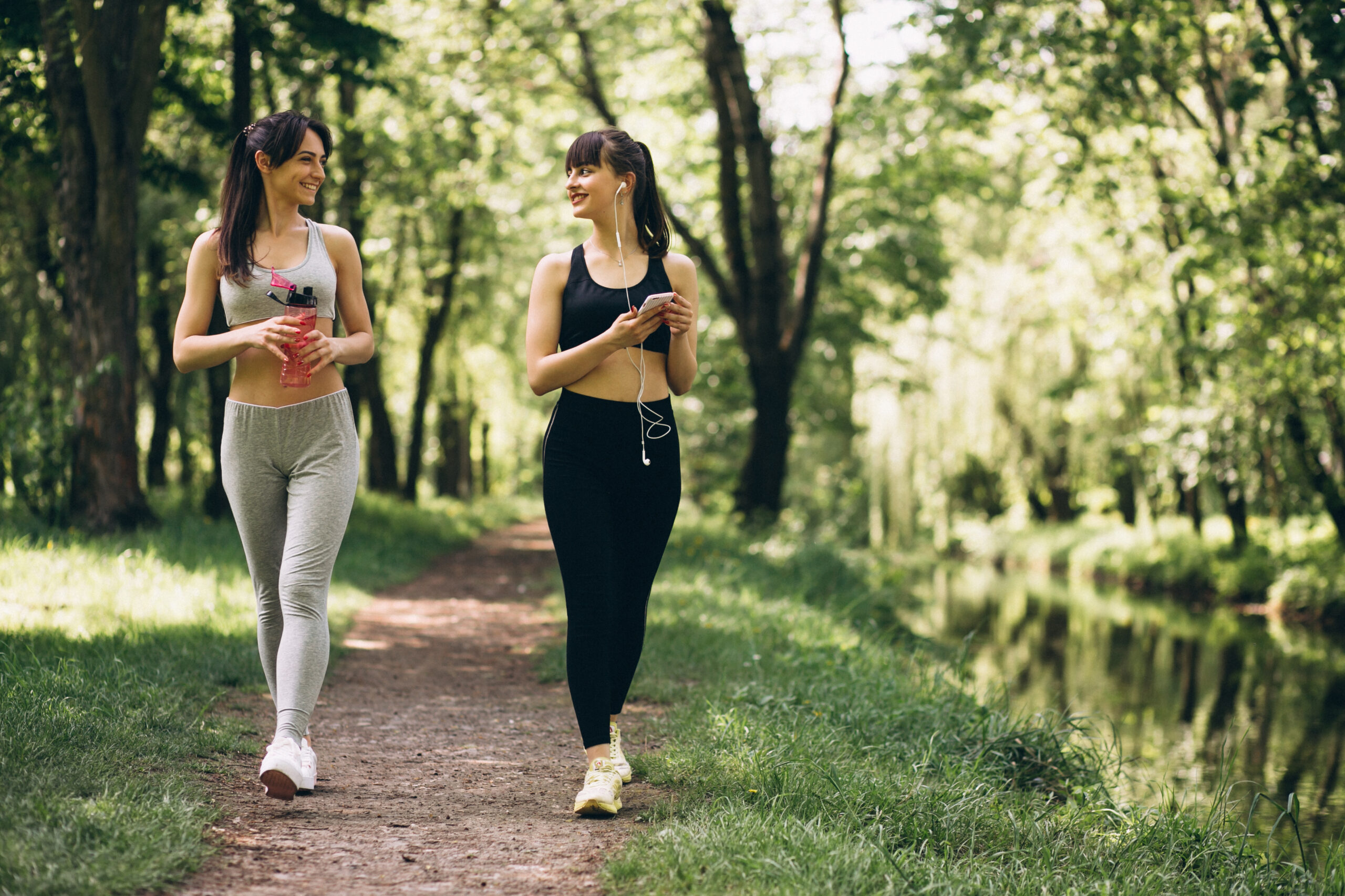
Activities like walking, swimming, and cycling are gentle on the joints while still activating muscles. These types of exercise encourage circulation without excessive strain. Low impact movement is often easier to maintain consistently. Consistency is key when supporting circulation through exercise.
7. Regular activity supports long-term vein health
Circulation benefits most from habits practiced over time. Regular exercise helps maintain healthy blood flow and reduces the likelihood of vein-related discomfort. Small, consistent efforts often have the greatest impact. Making movement part of daily life supports vein health long term.
Take Care of Yourself
Exercise is one of the most effective ways to support healthy circulation naturally. Heart of Dixie Vein & Vascular helps patients understand how lifestyle habits affect vein health and provides professional care when needed. Contact Heart of Dixie Vein & Vascular to learn more about supporting circulation and vein health.