
How Physical Activity Supports Vein Health
Exercise is one of the most effective ways to support healthy circulation and reduce your risk of developing vein problems. While exercise cannot always prevent varicose veins, especially when genetics play a role, it can significantly improve blood flow and help minimize symptoms associated with poor circulation.
Whether you’re looking to protect your vein health or manage existing symptoms, staying active is an important part of a healthy lifestyle.
Why Circulation Matters
Your veins work hard to return blood from your legs back to your heart. Because blood must travel upward against gravity, veins rely on tiny valves and muscle contractions in the legs to keep circulation moving efficiently.
When you move your legs, your calf muscles act as a natural pump, helping blood flow upward and preventing it from pooling in the lower extremities.
Without regular movement, circulation can slow down, increasing pressure inside the veins.
Best Exercises for Vein Health
Walking
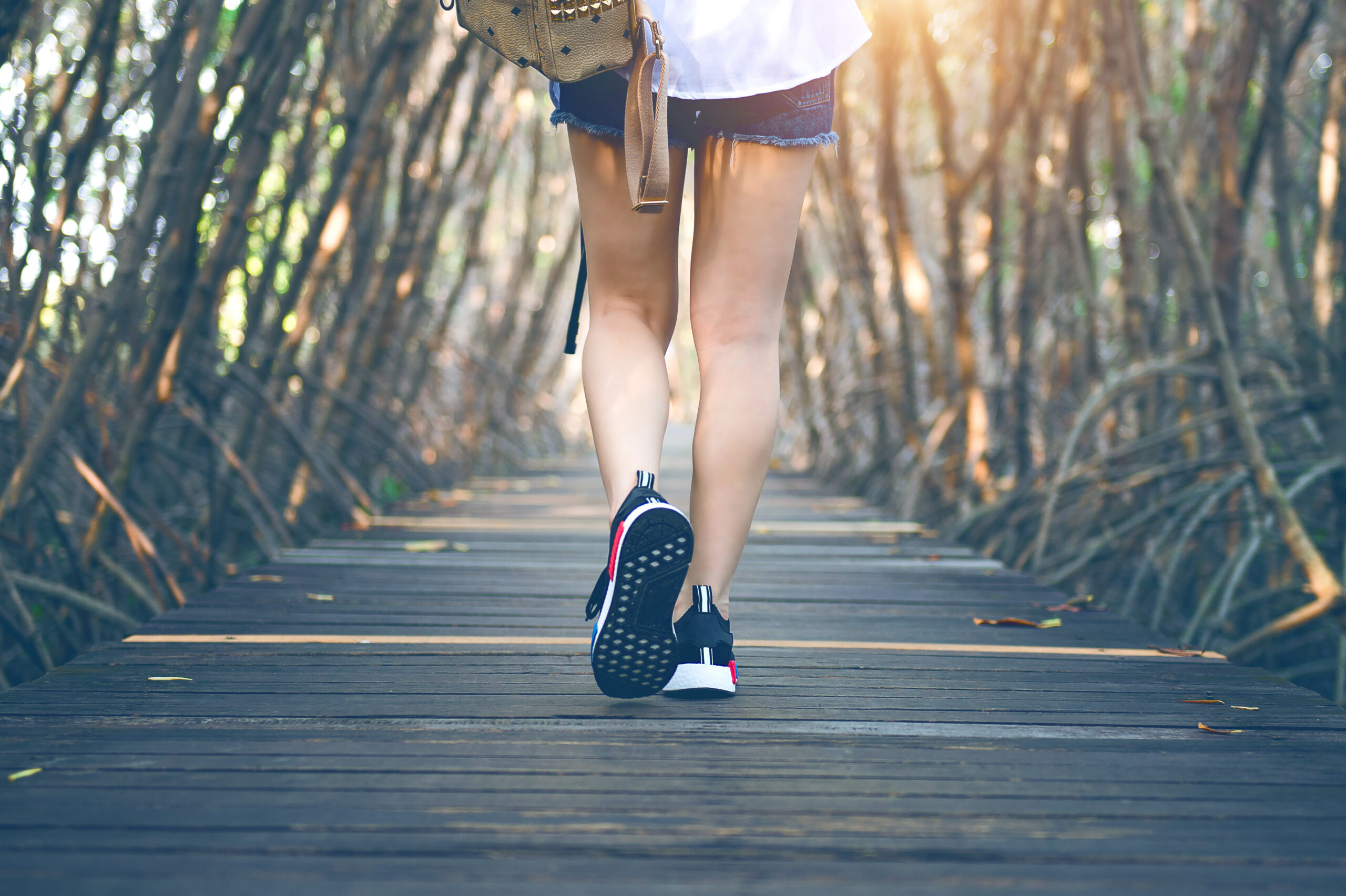
Walking is one of the simplest and most effective exercises for improving circulation. It strengthens the calf muscles, encourages blood flow, and places minimal stress on the joints.
Even a 20- to 30-minute walk each day can provide meaningful benefits.
Cycling
Whether outdoors or on a stationary bike, cycling promotes healthy circulation while strengthening the muscles that support proper blood flow.
Swimming
Swimming offers a low-impact workout that improves circulation throughout the body. The natural pressure of the water can also help reduce swelling in the legs.
Leg Strengthening Exercises
Exercises such as calf raises, lunges, and bodyweight squats help activate the muscles responsible for pumping blood through the veins.
Yoga
Certain yoga poses encourage circulation and can help relieve tension and swelling in the legs. Poses that elevate the legs may be especially beneficial.
Exercises to Approach with Caution
Most forms of exercise are beneficial, but individuals with advanced vein disease may need to modify certain activities.
High-impact workouts or heavy lifting can temporarily increase pressure within the veins. If you have significant varicose veins or chronic venous insufficiency, it’s a good idea to consult a vein specialist before beginning a new exercise routine.
Additional Tips for Better Circulation
In addition to regular exercise, consider these habits:
- Avoid sitting for long periods
- Take walking breaks throughout the day
- Elevate your legs when resting
- Maintain a healthy weight
- Stay hydrated
- Wear compression stockings if recommended
When Exercise Isn’t Enough
While exercise supports vein health, it cannot repair damaged vein valves. If you’re experiencing symptoms such as swelling, aching, heaviness, or visible varicose veins, a professional evaluation may be necessary.
Modern vein treatments can address the underlying problem and help restore healthy circulation.
Take the First Step Toward Healthier Legs
Exercise is an excellent way to promote healthy blood flow and support long-term vein health. Combined with professional care when needed, it can help you stay active and comfortable for years to come.