
How Extra Weight Affects Your Circulation
Most people understand that maintaining a healthy weight benefits the heart, joints, and overall health. What many don’t realize is that excess weight can also place significant strain on the veins.
Over time, additional pressure on the circulatory system can increase the risk of developing varicose veins, chronic venous insufficiency, and other vein-related conditions.
Why Weight Matters for Vein Health
The veins in your legs must work against gravity every day to return blood to the heart.
When excess body weight is present, veins face additional pressure that can:
- Slow circulation
- Increase vein pressure
- Stretch vein walls
- Damage vein valves
- Promote blood pooling
As these issues develop, symptoms often become more noticeable.
Common Symptoms of Weight-Related Vein Problems
Individuals carrying excess weight may experience:
- Leg fatigue
- Swelling in the ankles
- Aching legs
- Heaviness
- Visible varicose veins
- Restlessness in the legs
Many people mistakenly attribute these symptoms solely to aging or activity levels when vein disease may actually be contributing.
The Cycle of Vein Disease and Reduced Activity
Vein disease and weight gain often create a difficult cycle.
Pain, swelling, and heaviness in the legs can make physical activity less comfortable. Reduced activity may then contribute to additional weight gain, placing even more strain on the veins.
Breaking this cycle often requires addressing both circulation issues and lifestyle factors.
Can Weight Loss Improve Vein Symptoms?
For many patients, losing weight can help reduce pressure on the veins and improve circulation.
Potential benefits include:
- Reduced swelling
- Less leg discomfort
- Improved mobility
- Better circulation
- Lower risk of vein disease progression
While weight loss may improve symptoms, it cannot repair damaged vein valves that have already developed.
Healthy Habits That Support Vein Function
Simple lifestyle changes can make a meaningful difference:
Walk Daily
Walking activates the calf muscles, which help move blood through the veins.
Stay Hydrated
Proper hydration supports healthy circulation and vascular function.
Avoid Prolonged Sitting
Taking movement breaks throughout the day can help prevent blood pooling.
Elevate Your Legs
Elevating your legs periodically can reduce swelling and improve circulation.
When Professional Treatment May Help
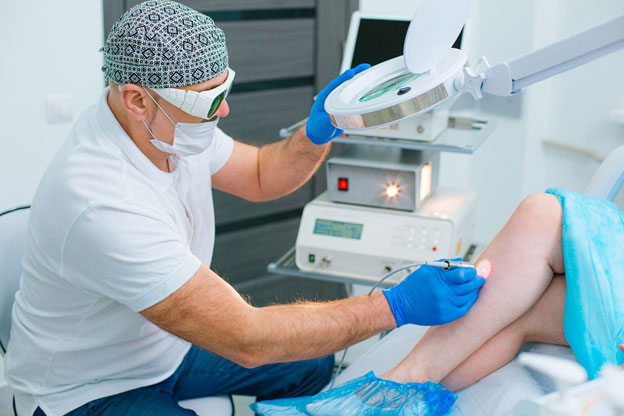
If symptoms continue despite lifestyle improvements, a vein evaluation may reveal underlying venous insufficiency or varicose veins.
Modern vein treatments can help restore healthy blood flow and relieve symptoms with minimal downtime.
Take Control of Your Vein Health
Maintaining a healthy weight is an important part of supporting circulation, but it is only one piece of the puzzle. If you experience ongoing leg discomfort, swelling, or visible veins, professional evaluation can help identify the cause and determine the best treatment options.
SEO Keywords: weight gain and varicose veins, obesity and vein disease, leg swelling causes, chronic venous insufficiency, vein treatment Southern Utah